Yes — you can absolutely use all-purpose flour for sourdough
bread. Thousands of bakers do it every day and produce
delicious, well-risen loaves. There are three adjustments
you need to make to get a great result: reduce your water,
handle the dough more gently, and give bulk fermentation
slightly more time. Do those three things and all-purpose
flour works beautifully.
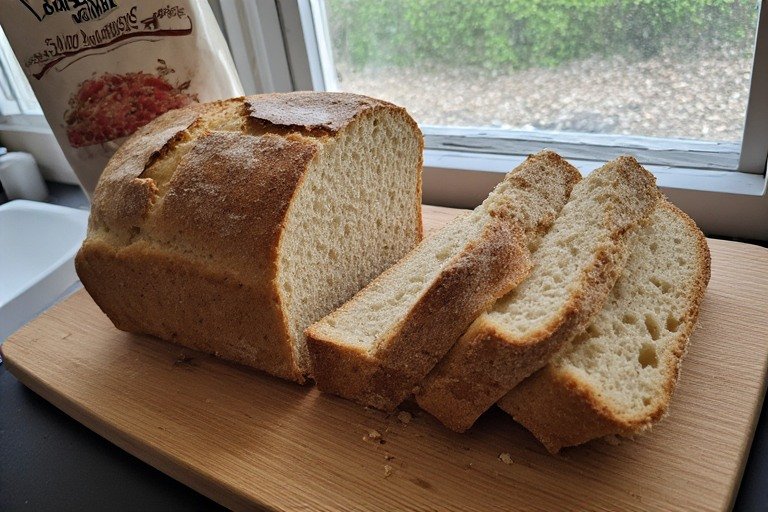
Why All-Purpose Flour Works for Sourdough
All-purpose flour contains enough protein to build a workable gluten network for sourdough. The key word is enough. It is not as strong as bread flour — but strong enough to trap the gas from your starter, hold its shape during proofing, and produce a loaf with good rise and flavor.
The confusion comes from the wide range of protein content across different all-purpose flour brands. Protein content in all-purpose flour ranges anywhere from 8% to 13% depending on the brand and the country you are baking in. That range matters enormously. An 8% all-purpose flour will produce a noticeably weaker, denser loaf. An 11.7% all-purpose flour like King Arthur will perform nearly as well as many bread flours.
Before you do anything else, check the protein content on the nutrition label of your flour. Aim for 11% or higher for the best results.
The Three Adjustments You Must Make
[Place in-article image here]
Adjustment 1 — Reduce your water by 15–30g
All-purpose flour absorbs less water than bread flour. If you use a recipe written for bread flour and simply swap in all-purpose without changing the water, your dough will be too wet, too slack, and very difficult to shape. It will spread flat instead of holding its form.
Reduce the water in your recipe by 15–30g to start. Mix everything together and feel the dough. It should feel soft but not sticky — tacky to the touch but not pulling long strings when you lift it. If it feels manageable, you are in the right zone. If it feels soupy, hold back another 20g next time.
Adjustment 2 — Handle the dough more gently and fold it more
All-purpose dough is softer and more fragile than bread flour dough. It tears more easily during shaping and loses its structure faster during handling. Two things help:
First, do not stretch your dough as aggressively during stretch and fold. Shorter, gentler folds work better with weaker flour. Give the dough more frequent but less intense folds — four to five sets over the first two hours of bulk fermentation.
Second, cold proof your shaped loaf overnight in the fridge before baking. Cold dough is stiffer and holds its shape better during scoring and the transfer to your Dutch oven. All-purpose loaves benefit from this more than bread flour loaves.
Adjustment 3 — Give bulk fermentation slightly more time
All-purpose flour ferments slightly more slowly than bread flour because it has less protein for the bacteria and yeast to work with. Do not rush bulk fermentation. Look for a 50–75% increase in dough volume rather than trying to stick rigidly to a time in a recipe. In a warm kitchen at 75°F this might be 5–7 hours. In a cooler kitchen it could be 8–10 hours.
The poke test is your friend here. Poke the dough gently with a floured finger. If it springs back slowly and partially, bulk is done. If it springs back immediately, give it more time.
What to Expect From Your All-Purpose Loaf
Be honest with yourself about what all-purpose flour produces compared to bread flour:
| Result | Bread flour | All-purpose flour |
|---|---|---|
| Oven spring | Excellent | Good |
| Crumb openness | Open, irregular holes | Tighter, more uniform |
| Crust | Crisp and golden | Slightly softer |
| Dough handling | Easier to shape | More fragile |
| Flavor | Similar | Similar |
| Rise height | Taller | Slightly lower |
The flavor difference is minimal. The texture difference is real but not dramatic — especially if your all-purpose flour has 11% protein or higher. Many bakers genuinely prefer the softer, tighter crumb of an all-purpose loaf for sandwiches and everyday eating.
Which All-Purpose Flour Works Best for Sourdough
Not all all-purpose flours perform the same. Here is a quick guide to the most common options:
| Brand | Protein % | Good for sourdough? |
|---|---|---|
| King Arthur All-Purpose | 11.7% | Yes — best all-purpose option |
| Trader Joe’s All-Purpose | 11.7% | Yes — performs well |
| Gold Medal All-Purpose | 10.5% | Acceptable — reduce water more |
| Pillsbury All-Purpose | 10–11% | Acceptable |
| Generic store brand | 8–10% | Challenging — use bread flour instead |
| Canadian all-purpose (any brand) | 13%+ | Excellent — no adjustments needed |
If you are in the UK or Australia, do not use plain flour for sourdough. UK and Australian plain flour typically contains only 9–10% protein and will produce a noticeably weak, dense result. Use strong bread flour instead.
The One Situation Where All-Purpose Flour is Actually Better
For enriched sourdough doughs — cinnamon rolls, sandwich loaves, flatbreads, and pizza dough — all-purpose flour is often the better choice. These doughs benefit from a softer, more tender texture that all-purpose naturally produces. The lower protein content gives you a lighter, more delicate crumb that bread flour can make too chewy.
If you are making a classic artisan sourdough boule or batard, use bread flour. If you are making a soft sandwich loaf, sourdough cinnamon rolls, or a tender pizza crust, all-purpose is the better choice.
Quick Checklist for Baking Sourdough With All-Purpose Flour
Before you start:
- Check protein content on the label — aim for 11% or higher
- Choose unbleached all-purpose only — bleached flour can inhibit your starter
- Have your kitchen scale ready — measuring by cups causes problems with all-purpose flour
During mixing and fermentation:
- Reduce water by 15–30g from any bread flour recipe
- Do gentle stretch and folds — do not be aggressive with the dough
- Watch dough volume, not the clock, for bulk fermentation timing
During shaping and baking:
- Cold proof overnight in the fridge for best structure
- Score quickly and confidently — all-purpose dough deflates faster if you hesitate
- Bake covered in a Dutch oven for the full steam time — all-purpose needs every bit of help to rise
Ready to Choose the Right Flour for Your Loaf?
Now that you know exactly how all-purpose flour behaves in sourdough, the next step is understanding how it compares directly to bread flour so you can make the right choice for your specific recipe.
→ Bread flour vs all-purpose flour for sourdough — what actually changes
→ Best flour for sourdough bread — beginner’s complete guide
→ Sourdough flour and ingredients — complete guide
Related guides in this series:
- Measuring flour by cups vs grams — why it matters
- Why bleached flour causes problems in sourdough
- Does whole wheat sourdough hydration need to change?
- Rye flour in sourdough — how much to add and why