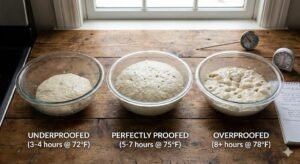

Ciabatta vs Sourdough: Which Bread Won’t Wreck Your Diet?
Choosing between ciabatta and sourdough for your diet? The answer might surprise you—despite ciabatta’s reputation as a “lighter” bread, it’s actually worse for weight loss than sourdough. Quick Answer: Sourdough beats ciabatta for weight loss. Sourdough’s glycemic index is 30% lower

Sourdough Starter Smells Like Alcohol: What It Means & What to Do
Short answer: your starter is hungry, not dead. An alcohol smell is one of the most normal things a sourdough starter can do — it means the yeast has consumed most of its available food and is producing ethanol as a

Aliquot Method for Sourdough: How to Nail Bulk Fermentation Timing
The aliquot method for sourdough is the single most reliable way to know when your bulk fermentation is finished. No more guessing. No more poking the dough and hoping. No more flat loaves from shaping too early or sticky messes from
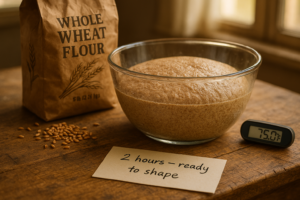
Bulk Fermentation Chart for Whole Wheat
Whole wheat sourdough doesn’t follow the same fermentation timeline as white flour dough. The bran and germ contain enzymes that speed up fermentation, and the fiber structure changes how dough rises and holds gas. If you’ve been using standard bulk fermentation
Sourdough Dough Tears During Stretch and Fold: 6 Fixes That Work
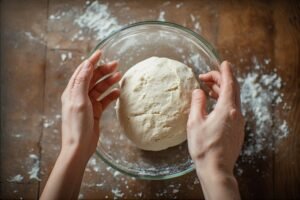
When your dough rips instead of stretches You reach into the bowl, grab a corner of the dough, pull up — and it snaps apart like wet tissue paper. Sometimes the whole top surface breaks. Sometimes it looks like a toddler
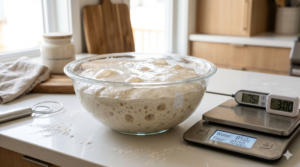
Bulk Fermentation Chart for High Hydration
High hydration sourdough dough—anything above 78% water-to-flour ratio—ferments faster, feels slacker, and shows different visual cues than standard 70-75% hydration dough. If you’ve been following bulk fermentation charts designed for moderate hydration and recently pushed your water percentage higher, you’ve probably
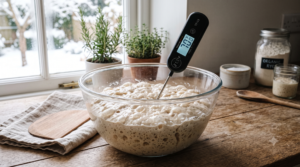
Bulk Fermentation Chart — 6 Signs Your Dough Is Ready
Baking sourdough in a cool kitchen presents unique timing challenges that catch many bakers off guard. At 70°F (21°C), your bulk fermentation will move significantly slower than standard recipes suggest, but this temperature offers substantial benefits: excellent flavor development, extended scheduling