Is sprouted sourdough actually healthier than regular sourdough? If you’re already buying sourdough for health reasons, this distinction matters more than you think.
Sprouted sourdough bread is healthier than regular sourdough — and significantly healthier than conventional white or whole wheat bread. The combination of sprouting and fermentation creates a bread with enhanced nutrient absorption, lower glycemic impact, improved digestibility, and stronger general sourdough health benefits than either process delivers alone. If you’re choosing between sourdough options, sprouted sourdough sits at the top of the nutritional hierarchy. This article explains exactly why, what the research shows, and who benefits most from making the switch.
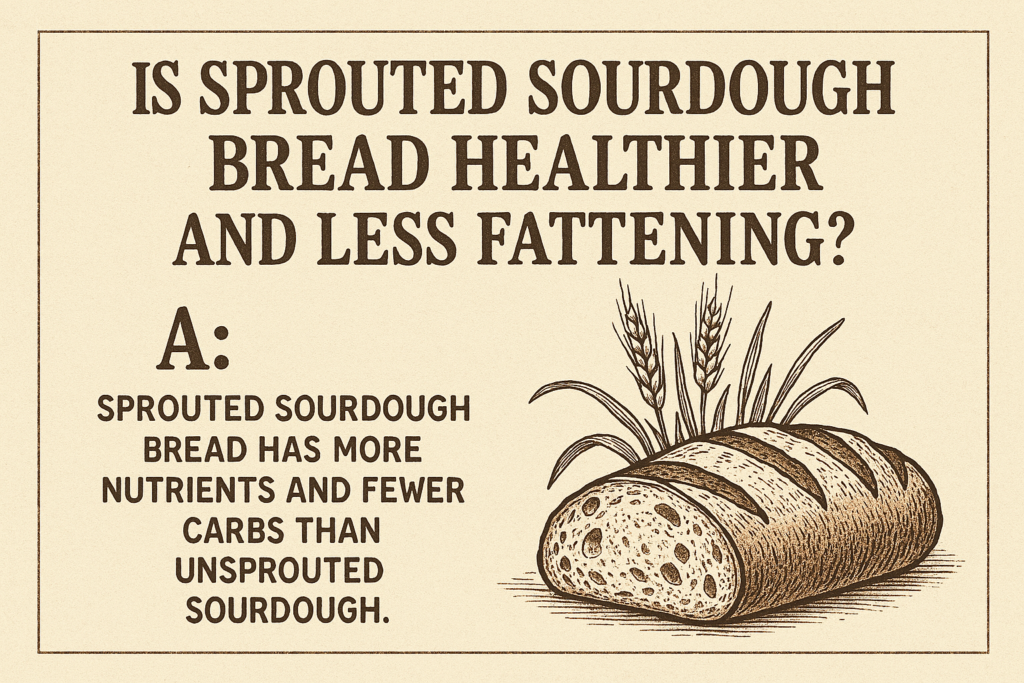
While sprouted sourdough offers unique advantages, many people still wonder is sourdough bread fattening regardless of type. The truth is that sprouted or not, portion control and what you pair bread with matters—but starting with the most nutrient-dense, lowest-GI option gives you a metabolic edge.
What Is Sprouted Sourdough Bread?
Sprouted sourdough bread is made from grains that have been allowed to germinate — or sprout — before being ground into flour or added whole to dough. This sprouting process is then combined with traditional sourdough fermentation, where wild yeast and lactic acid bacteria slowly break down the dough over many hours. The result is a bread that has undergone two distinct biological processes, each of which independently improves its nutritional profile. Together, they create something more nutritionally powerful than either sprouted bread or regular sourdough bread alone.
Common grains used in sprouted sourdough include wheat, spelt, rye, barley, and ancient grains like einkorn or emmer. Some versions, like the well-known Ezekiel bread, combine multiple sprouted grains and legumes. When those bases are also fermented with a sourdough culture, the result is one of the most nutrient-dense bread options available on the market.
How Sprouting Changes the Nutritional Profile of Grains
When a grain germinates, it activates enzymes that begin breaking down stored starches, proteins, and anti-nutrients. This has several important effects on the grain’s nutritional quality:
- Reduced phytic acid: Phytic acid (phytate) binds to minerals like iron, zinc, calcium, and magnesium, preventing your body from absorbing them. Sprouting activates phytase, an enzyme that breaks down phytic acid, making these minerals significantly more bioavailable.
- Increased vitamin content: Sprouting increases levels of vitamin C, B vitamins (especially folate), and vitamin E. These are nutrients that are largely absent or minimal in unsprouted grains.
- Improved protein quality: Germination increases the proportion of free amino acids and improves the overall amino acid profile of the grain, making the protein easier to digest and utilize.
- Lower starch content: Some of the grain’s starch is converted during germination, which can reduce the glycemic load of the final bread.
- Enhanced fiber availability: While total fiber content doesn’t dramatically increase, the type and accessibility of fiber may improve during sprouting.
These changes happen before the bread even enters fermentation — meaning sprouted sourdough gets these benefits on top of everything fermentation adds.
How Sourdough Fermentation Adds Even More Health Benefits
Sourdough fermentation is already recognized for producing a more nutritious and digestible bread than commercial yeast methods. As covered in detail at Is Sourdough Bread Good for You?, the long fermentation process lowers the glycemic index, degrades more anti-nutrients, improves mineral bioavailability, and partially pre-digests gluten proteins.
When fermentation is applied to already-sprouted grains, the cumulative effect is even greater. Fermentation continues the work that sprouting started — further reducing phytic acid, further breaking down proteins, further lowering the glycemic response, and producing organic acids that improve both flavor and gut compatibility.
The lactic acid bacteria in sourdough also produce beneficial compounds during fermentation, including short-chain fatty acids, B vitamins, and postbiotics that support gut lining integrity. These are significant contributors to the sourdough gut health benefits that have been studied in clinical research.
Sprouted Sourdough vs. Regular Sourdough vs. Regular Bread: A Comparison
| Health Factor | White Bread | Whole Wheat Bread | Regular Sourdough | Sprouted Sourdough |
|---|---|---|---|---|
| Phytic Acid Level | Low (stripped) | High | Moderate (reduced by fermentation) | Very Low (reduced by both sprouting and fermentation) |
| Mineral Bioavailability | Low | Moderate | Good | Excellent |
| Glycemic Index | High (~75) | Medium (~69) | Lower (~54) | Lowest (~45-50) |
| Fiber Content | Very Low | High | Moderate to High | High and More Accessible |
| Gluten Digestibility | Unmodified | Unmodified | Partially degraded | Significantly degraded |
| Vitamin Content | Low (enriched artificially) | Moderate | Moderate | High (naturally elevated by sprouting) |
| Gut Health Support | Minimal | Some (fiber) | Good (fermentation byproducts) | Excellent (fiber + fermentation + reduced anti-nutrients) |
General Sourdough Health: Why the Double Process Matters
Understanding general sourdough health benefits requires looking at what bread does in the body after you eat it — not just what nutrients it contains on paper. A grain can be packed with iron and zinc, but if those minerals are bound to phytic acid, they pass through your body without being absorbed. This is the core problem with many whole grain breads that appear nutritious on a label but deliver less than expected in practice.
Sprouted sourdough solves this in two stages. First, sprouting activates phytase and breaks down much of the phytic acid naturally present in whole grains. Studies show sprouting alone can reduce phytic acid by 25–75%, depending on the grain, temperature, and duration of germination. Then, sourdough fermentation — especially long, cold ferments — continues this breakdown further. Research published in peer-reviewed food science journals has shown that combining sprouting with fermentation can reduce phytic acid by more than 90% compared to unsprouted, commercially yeasted bread.
That matters enormously if you eat bread daily and rely on whole grains as a significant part of your diet. The practical difference in mineral absorption over months and years can be meaningful for iron status, bone health, immune function, and metabolic processes.
Sprouted Sourdough and Blood Sugar Control
One of the most clinically relevant benefits of sprouted sourdough is its lower glycemic impact. As explored in the guide on sourdough for weight loss, regular sourdough already scores lower on the glycemic index than conventional bread because fermentation converts simple starches and produces acids that slow digestion. Sprouted sourdough goes further.
Blood sugar management is especially important for those with diabetes. Learn how sourdough bread affects diabetics and why sprouted versions offer even better glucose control than standard sourdough.
During germination, some of the grain’s starch is converted to simpler sugars to fuel the sprouting process, but the remaining starch becomes structurally different — more resistant to rapid enzymatic breakdown in the digestive tract. This means blood glucose rises more slowly and more modestly after eating sprouted sourdough compared to regular sourdough or whole wheat bread. For people managing blood sugar, insulin sensitivity, or weight, this difference is practically significant.
Studies in diabetic and pre-diabetic populations have found that foods with lower glycemic indices are associated with better long-term glucose control, reduced insulin resistance, and lower risk of type 2 diabetes complications. Choosing sprouted sourdough over regular bread as a daily staple could contribute meaningfully to these outcomes over time. Learn more about timing in best time to eat sourdough for weight loss.
Fiber in Sprouted Sourdough Bread
Fiber is one area where sprouted sourdough deserves attention. Whole grain sourdough already provides more fiber than white bread, and as outlined in the article on does sourdough bread have fiber, the fermentation process can even improve fiber’s prebiotic effects by altering its structure. Sprouting adds another layer to this story.
When grains sprout, the enzymatic activity partially breaks down cell walls and changes the physical structure of dietary fiber. This can make fiber more soluble and more readily fermentable by gut bacteria — meaning it feeds your microbiome more efficiently than the same fiber in an unsprouted grain. More fermentable fiber means more short-chain fatty acid production in the colon, which in turn supports gut lining health, reduces inflammation, and contributes to satiety.
For those eating sprouted sourdough made with whole grains like whole wheat, rye, or spelt, fiber content per serving typically ranges from 3–5 grams — comparable to whole grain bread but with superior bioactivity due to the combined effects of sprouting and fermentation.
Digestibility and Gut Comfort
Many people who struggle with conventional bread — experiencing bloating, gas, or abdominal discomfort — find sourdough easier to tolerate. The long fermentation of sourdough bread partially breaks down gluten proteins and FODMAPs (fermentable carbohydrates), which are common triggers of digestive symptoms in people with irritable bowel syndrome or general gluten sensitivity.
Sprouted sourdough takes this further. Sprouting begins protein degradation before fermentation even starts, resulting in a bread where gluten structure is substantially modified compared to regular flour. The combination means the final loaf contains lower levels of intact gluten proteins and FODMAPs than either sprouted bread or regular sourdough alone.
For more on digestibility, see is sourdough hard to digest. Spoiler: sprouted versions are even easier.
It’s important to note that sprouted sourdough is not safe for people with celiac disease if it’s made from gluten-containing grains. However, for the broader population with self-reported gluten sensitivity or general digestive sensitivity to bread, sprouted sourdough is often better tolerated — and this is backed by a growing body of research on fermented and sprouted grain products.
Is Sprouted Sourdough Good for Gut Health Specifically?
Yes — and this deserves its own focus. The gut health implications of sprouted sourdough are significant. Regular sourdough is already one of the best bread choices for the microbiome, as detailed in the deep-dive on sourdough gut health benefits. The organic acids, postbiotics, and prebiotic fiber in fermented bread all support a healthy microbial ecosystem in the gut.
Sprouted sourdough amplifies these effects in several ways:
- More accessible prebiotic fiber that feeds beneficial bacteria more efficiently
- Lower anti-nutrient load reduces gut irritation and improves the environment for beneficial bacteria
- Higher polyphenol content from sprouted whole grains, which act as fuel for diverse microbial populations
- Better protein digestibility reduces fermentation of undigested proteins in the colon, which can produce harmful byproducts
- Reduced FODMAP content means less osmotic stress and gas production in sensitive individuals
…These effects work together to make sprouted sourdough a better bread choice for people managing their weight compared to regular or whole wheat bread. For practical timing tips, see best time to eat sourdough for weight loss.
Collectively, these factors make sprouted sourdough one of the most gut-supportive bread options available — well above standard whole wheat, regular sourdough, or sprouted breads made without fermentation.
Who Benefits Most from Sprouted Sourdough?
While sprouted sourdough is a healthy choice for nearly anyone who eats bread, some groups benefit especially:
- People with iron deficiency or poor mineral absorption: The dramatically reduced phytic acid content means significantly more iron, zinc, and magnesium is absorbed per serving.
- People with blood sugar concerns: The low glycemic index and slower starch digestion support better glucose control.
- People with digestive sensitivity to bread: Lower FODMAP content and modified gluten structure improve tolerability.
- People focused on gut health: Enhanced prebiotic fiber and fermentation byproducts support microbiome diversity and gut lining integrity.
- Pregnant women: Sprouting increases folate content naturally, which is critical during early pregnancy.
- People managing weight: Higher satiety from fiber and protein, combined with lower glycemic response, helps control appetite and caloric intake.
If you’re choosing between different bread types for weight loss, compare ciabatta vs sourdough, pita vs sourdough, or sourdough vs naan. For gluten-free options, see our guide on gluten-free sourdough for weight loss.
What to Look for When Buying Sprouted Sourdough
Not all products labeled “sprouted sourdough” are created equal. Many commercial products use artificial vinegar or short fermentation times that don’t deliver the full benefits of true long-ferment sourdough. When shopping, look for:
- Ingredient lists that include sprouted whole grain flour (not just “whole grain” or “enriched flour”)
- No added commercial yeast — true sourdough uses only wild yeast from a live culture
- No added vinegar — the sour flavor should come entirely from fermentation
- A short, recognizable ingredient list with nothing artificial
- Ideally, bread from local bakeries that use authentic long-fermentation methods with sprouted grain flour
Brands like Angelic Bakehouse, Silver Hills, and some artisan bakeries offer genuine sprouted sourdough. Always check that both processes — sprouting and real sourdough fermentation — are present, not just one or the other. Understanding sourdough bread macros can also help you compare labels effectively.
General Sourdough Health: The Bottom Line
When evaluating general sourdough health benefits across different types of bread, sprouted sourdough consistently comes out on top. It combines two of the most nutritionally beneficial food processing methods known — germination and lacto-fermentation — to produce a bread that is easier to digest, higher in bioavailable nutrients, bett